11 Nov 2026
Shifting regulatory adaptations reshape how game suppliers align slot mechanics with live dealer options through emerging Finnish mobile payment integrations
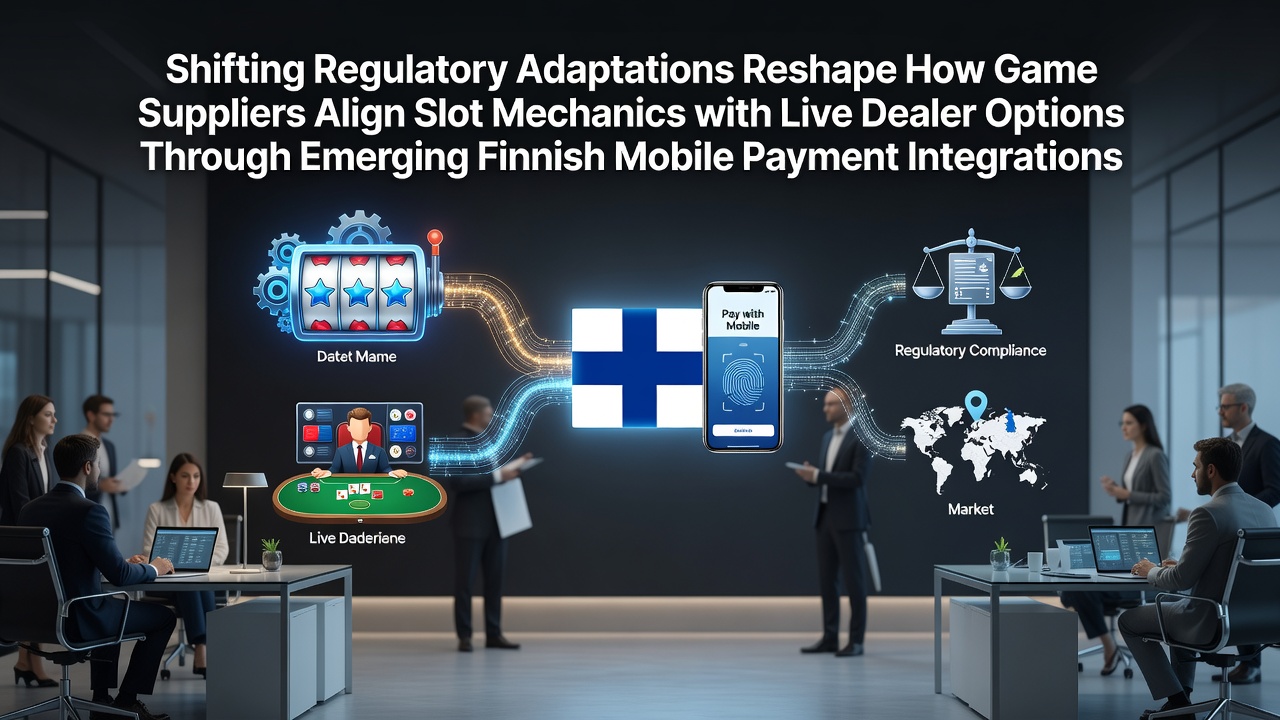
Regulatory adjustments in Finland continue to influence how game suppliers structure their offerings, particularly when connecting slot mechanics to live dealer formats through mobile payment systems that gained traction in late 2025. These adaptations, driven by updates to licensing frameworks, require suppliers to recalibrate game features so they function seamlessly across both automated reels and real-time table environments while complying with transaction verification standards tied to Finnish banking networks.
Regulatory framework updates and their reach
Data from the Finnish Ministry of the Interior shows that revisions implemented throughout 2025 emphasized stricter player verification protocols, which in turn prompted suppliers to embed payment-triggered mechanics directly into game logic. Suppliers responded by developing slot titles that adjust volatility or bonus triggers based on live dealer session data, all processed through mobile wallets approved under the new guidelines. This integration ensures that payment flows remain synchronized with gameplay events, reducing friction for users who switch between slot sessions and live tables on the same device.
European Commission reports on digital gambling from 2024 highlight similar patterns across Nordic markets, where mobile payment mandates accelerated supplier cooperation with local banks. In Finland the effect appears more pronounced because existing monopoly structures limit direct operator competition, forcing suppliers to innovate within narrower compliance windows. Game mechanics now often include conditional elements, such as live dealer multipliers that carry over to subsequent slot spins only after a verified mobile transaction completes.
Mechanics alignment between slots and live dealer options
Suppliers have adjusted reel configurations and payline structures to mirror elements found in live dealer interfaces, including shared random number generator seeds or synchronized progressive jackpots that activate during live sessions. Research published by the University of Helsinki gaming studies group in early 2026 documented over 40 new titles released in the final quarter of 2025 that incorporated these cross-format features. The study notes that payment integrations serve as the bridge, allowing real-time balance updates to influence both slot outcomes and live dealer betting limits without requiring separate authentication steps.
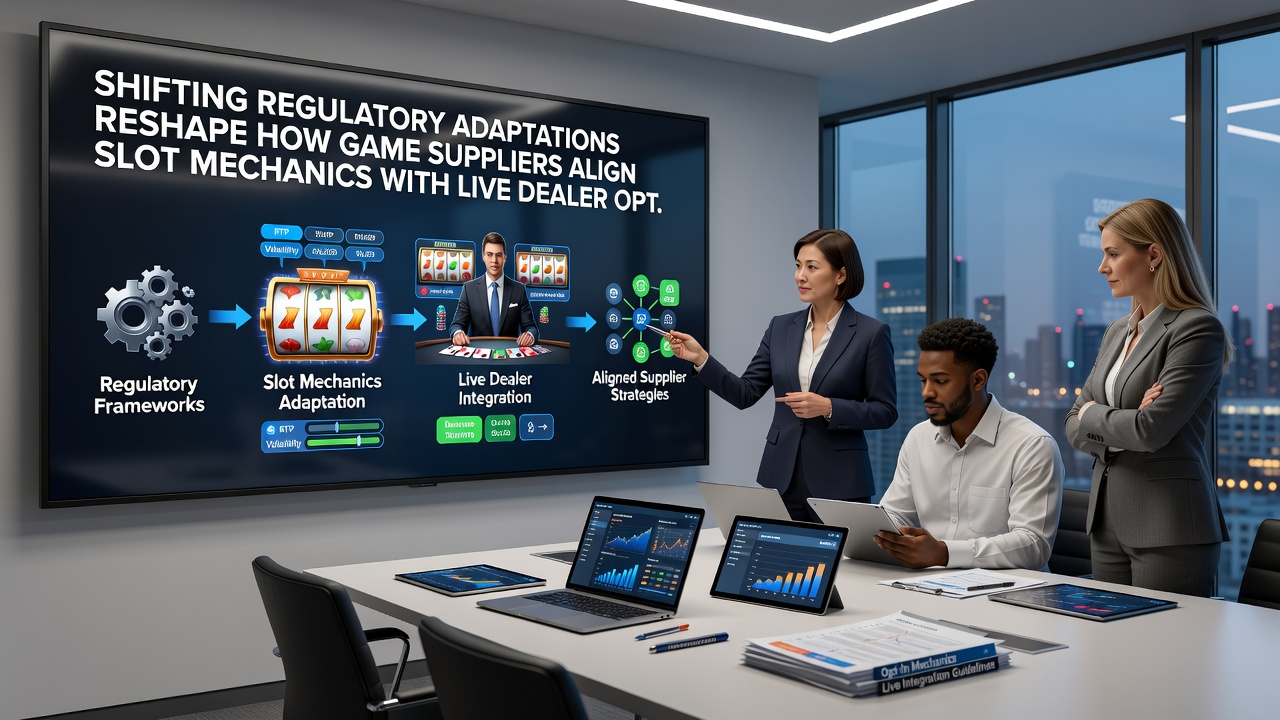
One supplier released a series of games in November 2025 where a successful live dealer hand directly modified the next slot reel set, a change made possible only after mobile payment confirmation cleared regulatory checkpoints. Observers note that these adaptations satisfy both accessibility requirements for Finnish users and technical standards for secure transaction logging. The approach avoids separate bonus pools for each format, instead routing all activity through a unified mobile payment ledger that regulators can audit in real time.
Mobile payment integrations as the connecting layer
Emerging Finnish mobile payment solutions, including those rolled out by major domestic banks in partnership with international processors, now support instant verification that feeds directly into game servers. This capability lets suppliers embed payment events as core gameplay triggers rather than external add-ons. Figures released by the Nordic Betting Association indicate that transaction volumes processed through these channels rose 28 percent between October 2025 and March 2026, coinciding with the launch of several hybrid slot-live titles. Suppliers cite the need to maintain consistent user sessions across formats while meeting data protection rules that govern how payment details interact with game state information.
Additional adaptations include dynamic stake limits that scale according to verified mobile payment history, allowing experienced users wider betting ranges in both slots and live dealer environments. These limits update automatically once a new transaction processes, removing the need for manual profile adjustments. Suppliers have documented reduced session drop-off rates when such features activate, although the primary driver remains compliance with Finnish rules on responsible transaction monitoring.
November 2026 implementation timeline
Further regulatory clarifications scheduled for November 2026 are expected to formalize how suppliers must log cross-format interactions that originate from mobile payments. Industry briefings indicate that new reporting templates will require timestamped records linking each payment event to specific game events, whether those occur on slot reels or at live tables. Suppliers have already begun testing systems that tag every mechanic change with the associated payment identifier, ensuring audit trails remain intact even when players move rapidly between formats.
Those who have examined early beta versions of these systems report smoother synchronization between slot bonus rounds and live dealer side bets, all initiated through the same mobile payment session. The November 2026 deadline therefore functions as a catalyst for finalizing integration standards that have been in development since the middle of 2025.
Conclusion
Regulatory adaptations in Finland continue to guide the technical alignment of slot mechanics with live dealer options, with mobile payment integrations serving as the primary mechanism for maintaining compliance and operational continuity. Suppliers have responded by embedding payment events into core game logic, creating hybrid experiences that satisfy both regulatory oversight and user expectations for seamless format switching. As the November 2026 updates approach, further refinements to logging and verification processes are anticipated, reinforcing the role of mobile payments in shaping future game design across the Finnish market.