14 Oct 2026
Tracing Game Provider Strategies for Optimizing Welcome Bonus Structures in Digital Casino Environments

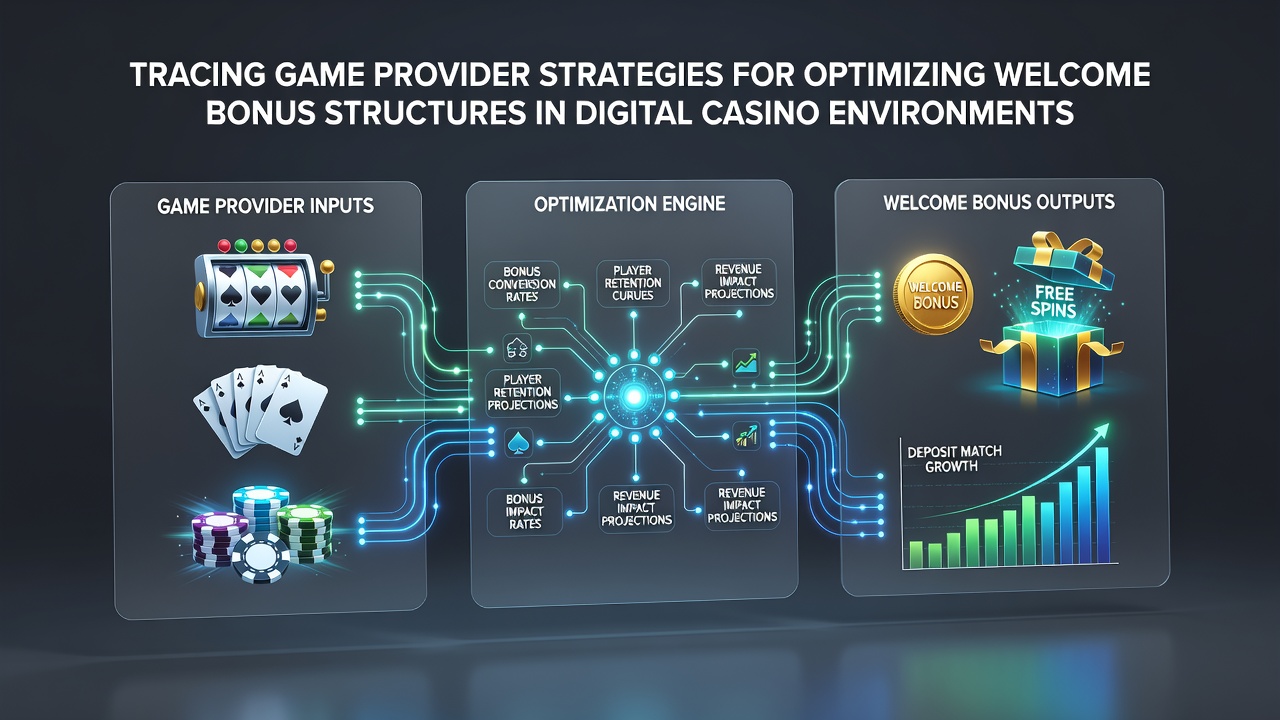
Game providers develop welcome bonus structures by analyzing player retention data across multiple casino platforms while aligning game mechanics with promotional requirements that operators set in October 2026. These strategies focus on matching slot volatility levels with deposit match percentages and free spin allocations so that bonus funds convert into sustained gameplay rather than quick withdrawals.
Core Mechanics Behind Provider Adjustments
Providers examine return-to-player percentages alongside bonus wagering multipliers because higher multipliers demand games with steady payout frequencies that keep users engaged through the full requirement cycle. Data from industry tracking systems shows that titles with medium volatility often pair with 100 percent deposit matches up to defined limits while low-volatility options support free spin bundles that extend session times without rapid balance depletion.
Software studios adjust reel configurations and bonus round triggers after reviewing aggregated performance metrics from partner casinos where welcome offers run simultaneously. This process allows providers to release updated versions of popular games that accommodate new bonus parameters introduced by operators in response to regional licensing updates during 2026.
Integration of Player Behavior Analytics
Analytics teams at major game suppliers track deposit patterns and bonus redemption rates across North American and European markets to refine how welcome packages distribute value. Reports compiled by the New Jersey Division of Gaming Enforcement indicate that optimized structures reduce early churn when free spins activate on games with proven engagement loops rather than high-variance releases.
Providers incorporate these findings into development pipelines by testing prototype mechanics against simulated bonus conditions before full deployment. The approach reveals which symbol combinations and feature triggers maintain balance longevity when players use matched deposits or complimentary spins offered at registration.
Regional Adaptations and Regulatory Influences
Strategies differ by jurisdiction because licensing bodies impose distinct caps on bonus values and wagering conditions. In Canadian provinces operators collaborate with providers to align welcome offers with provincial guidelines while maintaining competitive deposit match ratios that appeal to new registrants. Similar coordination occurs in Australian states where research from the Australian Institute of Criminology tracks how game features interact with promotional limits to support responsible play frameworks.
Providers maintain separate asset libraries for each region so that games released under welcome bonuses comply with local technical standards without requiring extensive re-certification. This modular design lets studios update RTP settings or feature frequencies quickly when regulatory changes occur in October 2026 or subsequent periods.
Technical Implementation of Bonus-Ready Features
Development teams embed configurable parameters within game code that allow operators to activate bonus-specific modes such as enhanced scatter frequencies during free spin rounds tied to welcome packages. These parameters connect directly to backend systems that monitor playthrough progress and adjust real-time rewards based on remaining wagering obligations.
Testing protocols include multi-platform simulations where welcome bonuses run concurrently across desktop and mobile environments to verify consistent performance. Providers document outcomes in technical reports shared with operators so both parties can refine structures before public launch and reduce instances of mismatched expectations between bonus terms and game behavior.
Future Tracking Methods in Provider Operations
Longitudinal studies conducted by academic groups such as those affiliated with the University of Sydney monitor how evolving bonus structures influence game selection patterns over extended periods. Providers apply these observations when planning 2027 releases by prioritizing mechanics that accommodate variable deposit match levels and spin quantities without compromising core entertainment value.
Collaboration between suppliers and operators continues through shared data platforms that aggregate anonymized metrics on bonus conversion and retention. The resulting insights guide incremental adjustments to welcome structures throughout the year rather than isolated overhauls during peak registration seasons.
Conclusion
Game providers maintain ongoing optimization of welcome bonus structures by combining behavioral data with technical flexibility and regional compliance requirements. These coordinated efforts produce promotional frameworks that support both operator goals and sustained player engagement across digital casino environments in 2026 and beyond.